
A decade of pioneering proteomics research.
Teal's analytics framework is informed by foundational research from the Wyss-Coray lab at Stanford — independently validated across four peer-reviewed publications and a global proteomics data challenge.

Tony Wyss-Coray
Co-FounderD.H. Chen Distinguished Professor of Neurology and Neurological Sciences at Stanford. Director of the Knight Initiative for Brain Resilience. 200+ publications. TIME “Health Care 50,” 2020.
Research publication timeline
- 2019
Identified nonlinear plasma proteome changes across the lifespan.
- 2020
Showed that tissue-specific gene expression patterns are reflected in circulating proteins.
- 2023
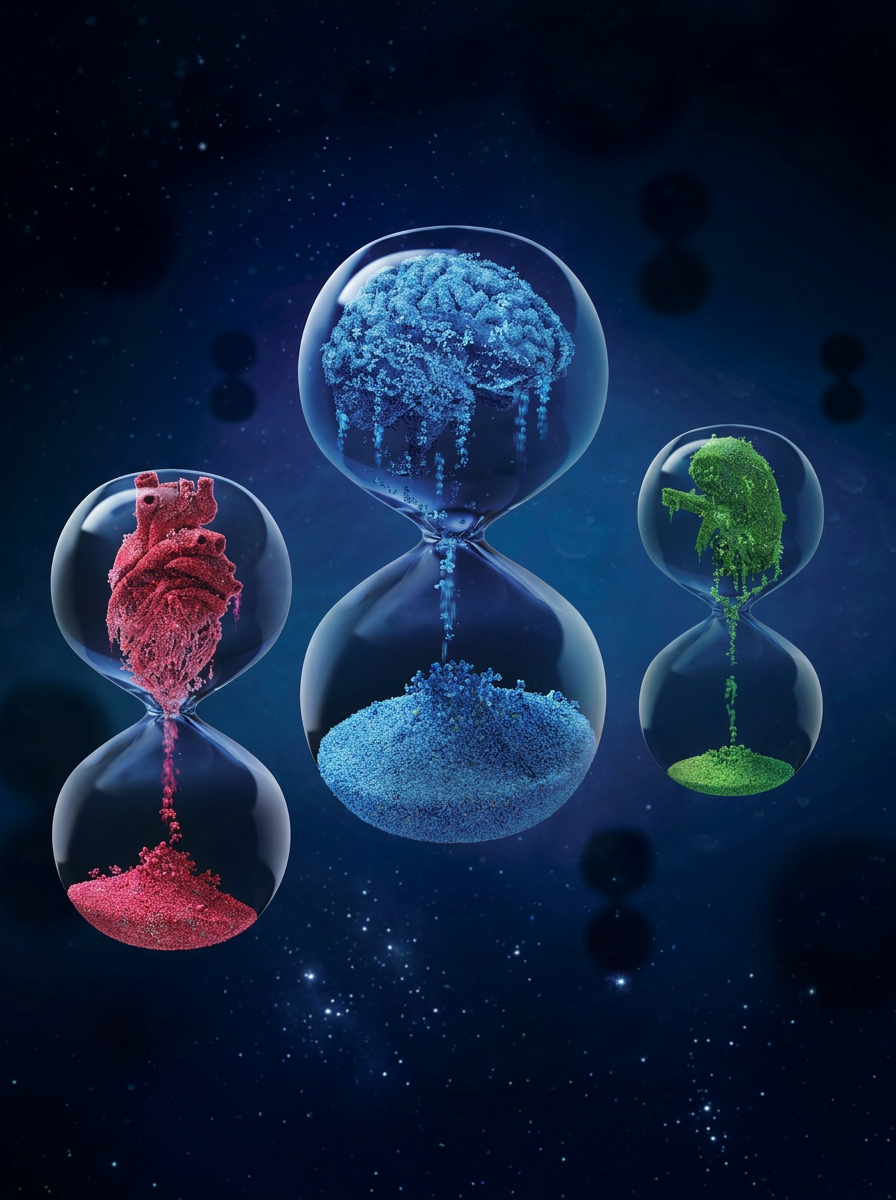
Introduced organ-specific aging clocks using plasma proteomics.
- 2025
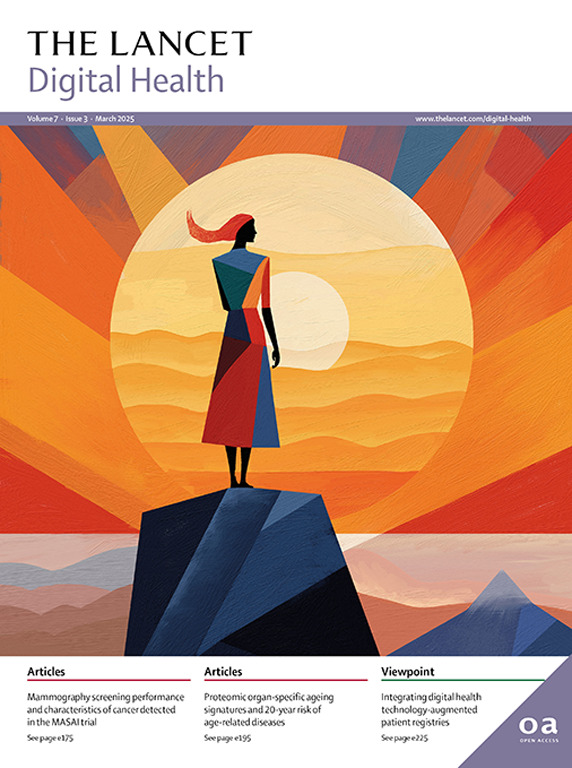
Proteomic organ-specific ageing signatures and 20-year risk of age-related diseases (Whitehall II).
- 2025
Validated and expanded organ aging models in 50k UK Biobank cohort.
- 2026
Plasma proteomic signatures of cellular aging predict human disease.

Work in practice — Organ aging and dementia risk.
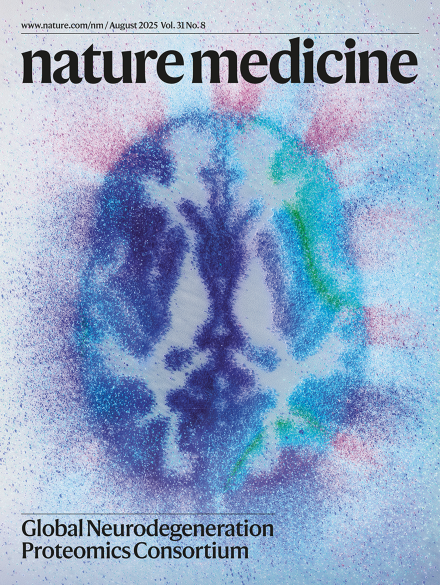
A national research institute partnered with Teal Rise to study how plasma proteomics and organ-specific biological aging relate to dementia risk from midlife to late life. Combining proteomics, genetics, MRI imaging, and adjudicated clinical outcomes, we quantified aging trajectories and identified candidate causal proteomic drivers of neurodegeneration.
Plasma proteins
Follow-up window
Publication figures
Statistical tables
Organ-specific aging signatures
Cohort study
Organ age gap × small vessel disease
Standardized association (β) between each organ's age gap and four MRI-derived measures. Brain and vasculature show the strongest links.
Methods
- Plasma proteomics (~5,000 proteins) + adjudicated dementia outcomes
- MRI imaging + TOPMed genotyping + curated GWAS summary stats
- Cox proportional hazards, mixed-effects longitudinal models
- PWAS + Mendelian Randomization for causal inference
- Pathway enrichment via Reactome, KEGG, GO, MSigDB
Deliverables
- 28 publication-ready figures
- 42 statistical tables (HRs, PWAS, MR results)
- Processed organ age gaps, pace metrics, GWAS summary stats
- Detailed methods documentation
Key insights
Organ aging predicts dementia risk
Each additional year of organ age gap — particularly in brain, heart, liver, and pancreas — was associated with substantially elevated dementia risk.
Midlife pace anticipates late-life decline
Accelerated aging trajectories correlated with cortical thinning and white-matter hyperintensity burden on MRI decades later.
Multi-organ aging is supra-additive
Brains aging in synchrony with heart or muscle exhibited compounding risk, pointing to network-level biological aging.
Causal evidence from PWAS + MR
Integrating proteomics with genetics provided causal evidence for specific proteins directly modulating aging and dementia risk.